

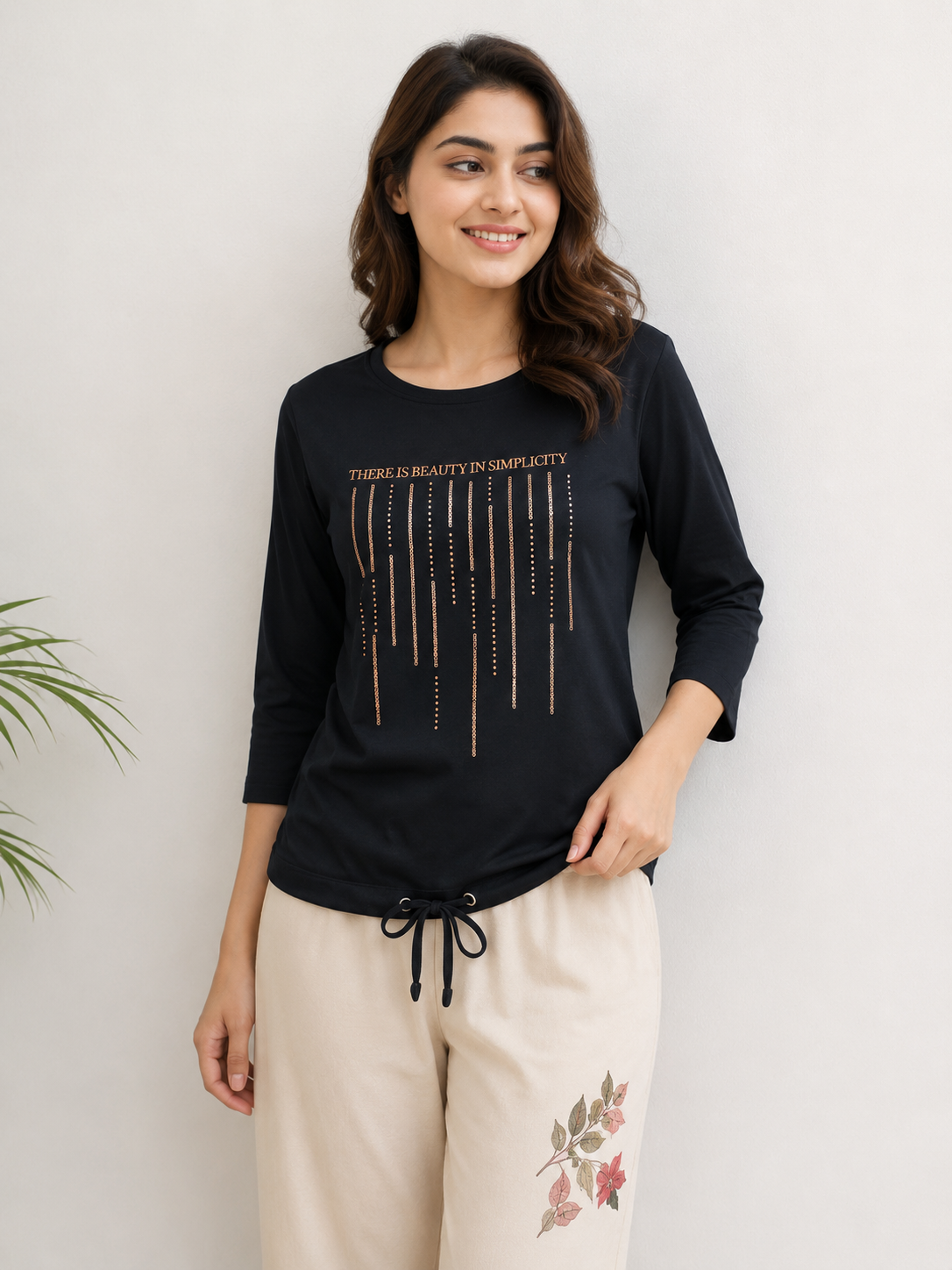
Shrinkage is the most common reason a knitwear order fails final inspection — and it’s almost always preventable. Here’s why it happens, why it matters more than buyers expect, and how proper shrinkage control protects your order.
What Causes Shrinkage in Knitwear
Knit fabric relaxes after being under tension during knitting and dyeing. Without a proper pre-shrinking and stabilization process, a garment that measures correctly off the production line can shrink noticeably after the customer’s first wash — creating returns, chargebacks, and damaged trust with your retail partners.
Why It’s a Bigger Risk Than Buyers Realize
Shrinkage problems typically aren’t visible until after shipment — by the time a factory’s measurements are checked against your spec sheet, the fabric hasn’t gone through the same relaxation a finished garment will after washing. A factory without disciplined shrinkage testing can pass its own QC and still ship a non-compliant product.
How We Control Shrinkage on Every Knitwear Order
- Fabric relaxation testing before cutting, not after.
- Wash-test samples compared directly against your spec sheet tolerance.
- Consistent compacting/sanforizing processes at partner factories with documented shrinkage rates.
- Pre-production and mid-production measurement checks, not only a final inspection.
This is one of Impel Fashion’s core specializations — a direct result of two decades working with European knitwear buyers who require tight, consistent tolerances.
Frequently Asked Questions
What shrinkage tolerance is normal for knitwear?
Tolerances vary by fabric and construction, but most buyer spec sheets require shrinkage within ±3–5% after wash — confirmed through testing, not assumption.
Can shrinkage control add to lead time?
Proper fabric relaxation and wash-testing add a short, planned step early in the process — far shorter than the delay caused by a failed shipment or reorder.